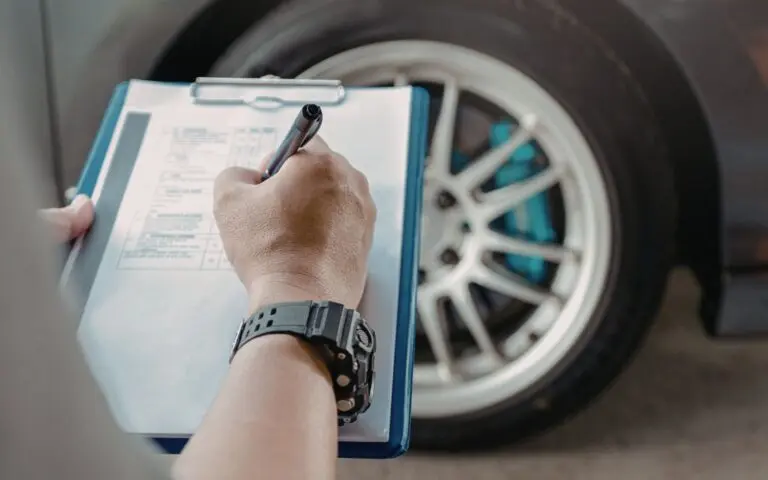

Most people are not looking for a post-repair inspection because they want conflict. They are looking for one because they want clarity.
Maybe the panels do not line up the way you expected. Maybe the paint does not look quite right. Maybe warning lights came on after the repair. Maybe the vehicle does not feel the same on the road. Or maybe nothing obvious is wrong, but you still do not feel fully confident that the work was done the way it should have been.
That is where a post-repair inspection can help.
Instead of continuing to wonder whether your concerns are valid, you can have the vehicle looked at by a collision-focused shop that understands what proper repair should involve. The goal is not to create unnecessary alarm. It is to help you understand whether the repair raises concerns and whether the vehicle deserves a closer look.
Collision repair is not just about making damaged parts look better again. It is about how the vehicle goes back together, how the repaired areas fit and function, and whether the work supports long-term confidence in the vehicle.
That is why a second opinion can matter so much.
A vehicle may come back from a repair shop with fresh paint and clean panels, but still have signs of poor workmanship, incomplete repair, or missed steps. In other cases, a driver may simply want reassurance that everything appears to have been handled correctly. Both situations are valid.
A post-repair inspection gives you a chance to step back and get a more experienced perspective. When you have already paid for repairs or gone through the stress of an insurance claim, you should not be left guessing whether the final result is something you can trust.
A post-repair inspection is meant to help identify signs that a completed repair may deserve more questions.
Depending on the vehicle and the type of prior damage, that may include concerns such as:
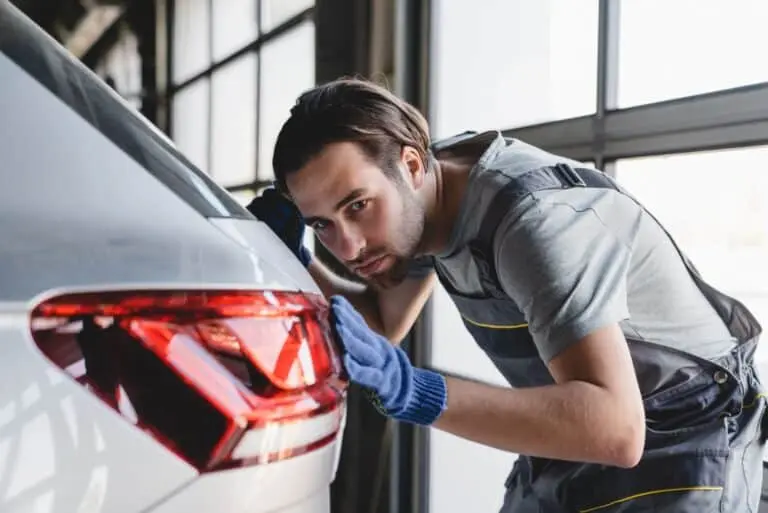
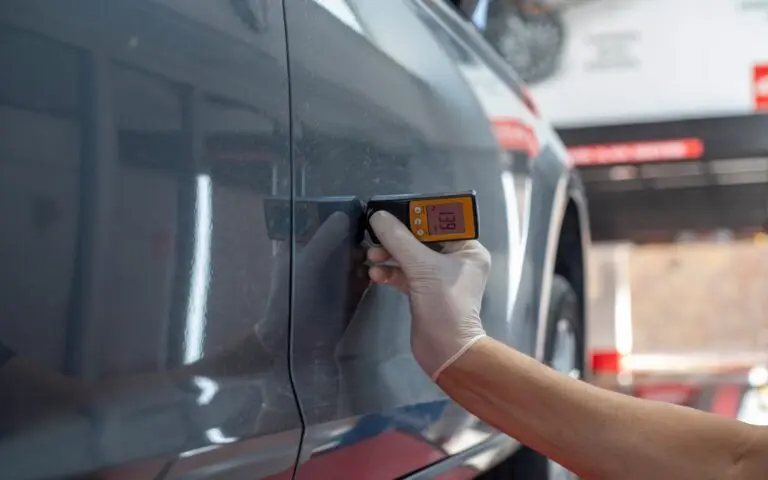
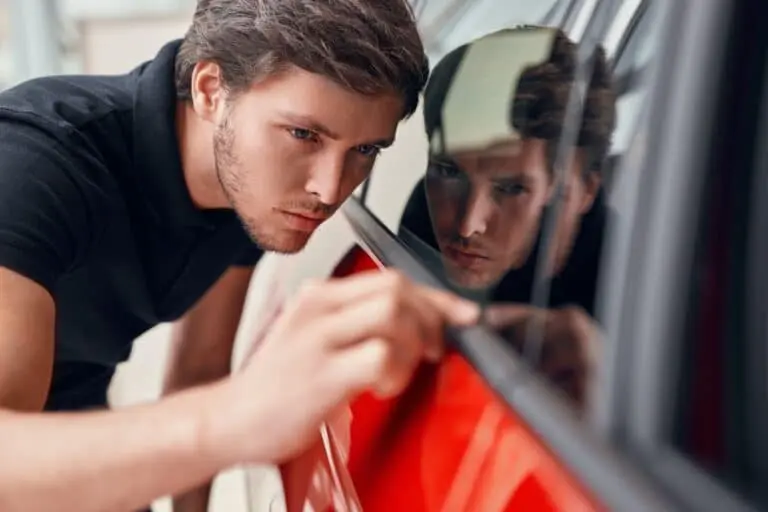
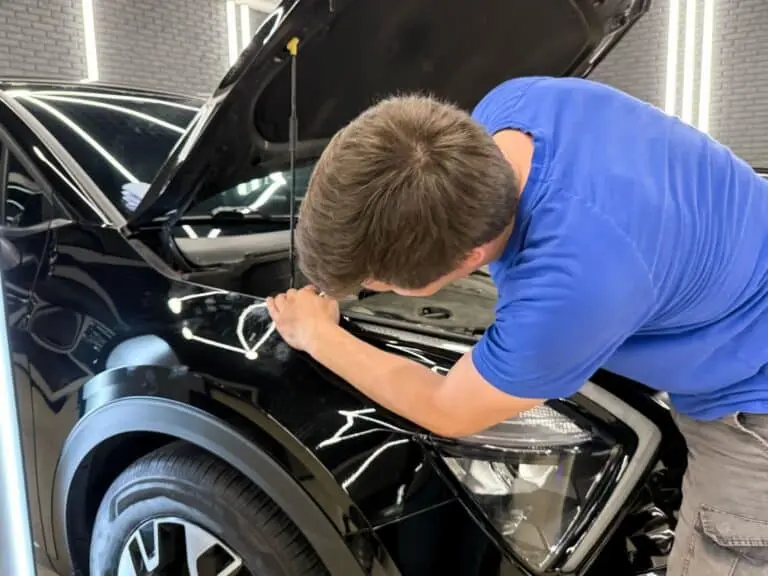
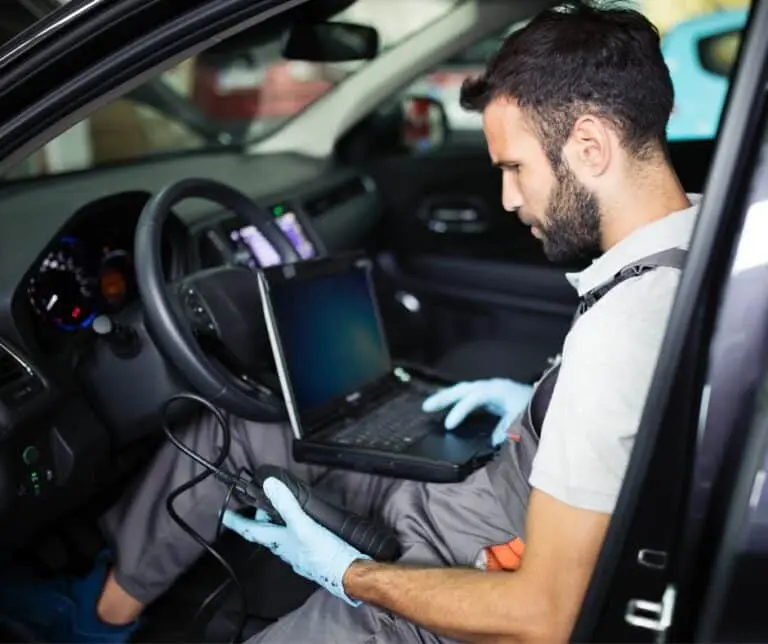
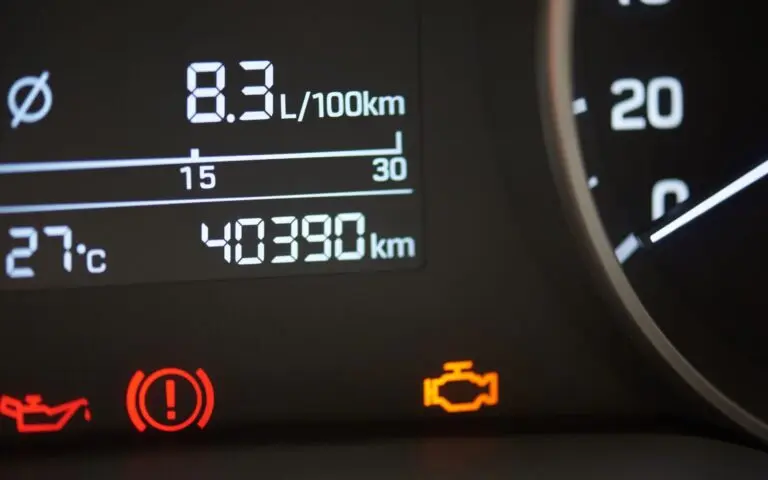
Some issues go beyond appearance and raise concerns about overall repair quality, vehicle integrity, or whether the vehicle is ready to be trusted again.
The point is not to assume something is wrong. The point is to find out whether your concerns are worth taking seriously.
Most people do not start out planning to get a second opinion after repairs. It usually happens because something causes them to hesitate.
Sometimes that hesitation is visual. The vehicle may not look quite right, or the repaired area may stand out more than expected.
Sometimes it is functional. A door may not close properly. A light may come on. The vehicle may drive differently. Safety features may seem questionable, or the repair may simply feel incomplete.
And sometimes it is neither of those things. Sometimes the owner just wants more peace of mind before fully trusting the vehicle again.
All of those are reasonable reasons to ask for another set of eyes. If you are uneasy after a collision repair, that feeling should not be ignored. A post-repair inspection helps replace uncertainty with clearer information.
At Newman’s, a post-repair inspection is focused on helping you understand whether the completed repair appears to reflect proper workmanship and whether there are visible concerns that deserve attention.
Depending on the vehicle and the repair history, that may include looking at things like:
Do the repaired areas line up properly, or are there signs of uneven fit, gaps, or assembly concerns?
Does the repaired area blend the way it should, or are there visual signs that the refinishing work may not have been handled well?
Are there clues that the repair may have been rushed, incomplete, or below the standard you would reasonably expect?
Are there indications that the underlying repair may deserve more attention than what is visible on the surface?
If the vehicle is showing lights or behavior that changed after the repair, those concerns may point to a need for additional evaluation.
Does the repair appear complete and properly handled, or are there enough concerns to justify deeper follow-up?
The purpose of the inspection is not to overwhelm you with technical language. It is to help you understand what stands out and whether the repair gives you a reason to feel confident or cautious.
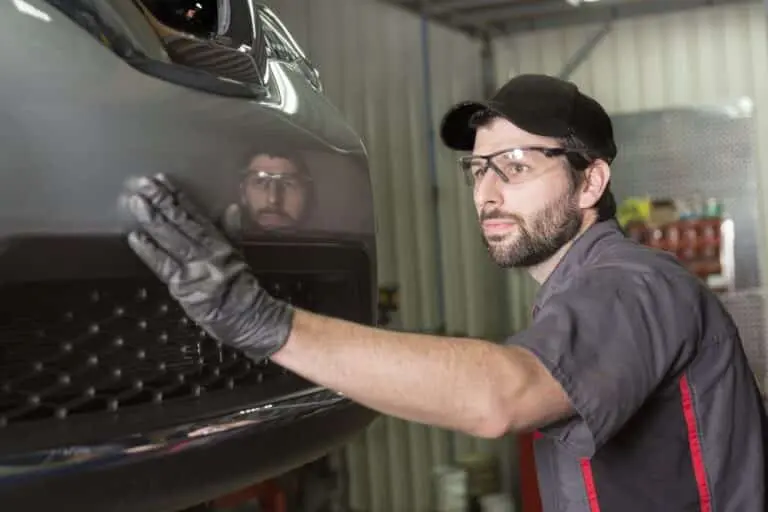
Some people think of a poor repair as mostly a cosmetic issue. Sometimes it is. But sometimes it is more than that.
A vehicle can come back from repair with appearance-related issues like mismatched paint or uneven panel gaps. It can also come back with questions tied to warning lights, incomplete reassembly, repair planning, or safety-related systems that should not be overlooked.
That is why both repair quality and safety matter on this page.
You should not have to choose between wanting the vehicle to look right and wanting it to be repaired properly. Both matter. A completed repair should support confidence in how the vehicle looks, how it functions, and how it was put back together. If those things are in doubt, it makes sense to get another opinion.
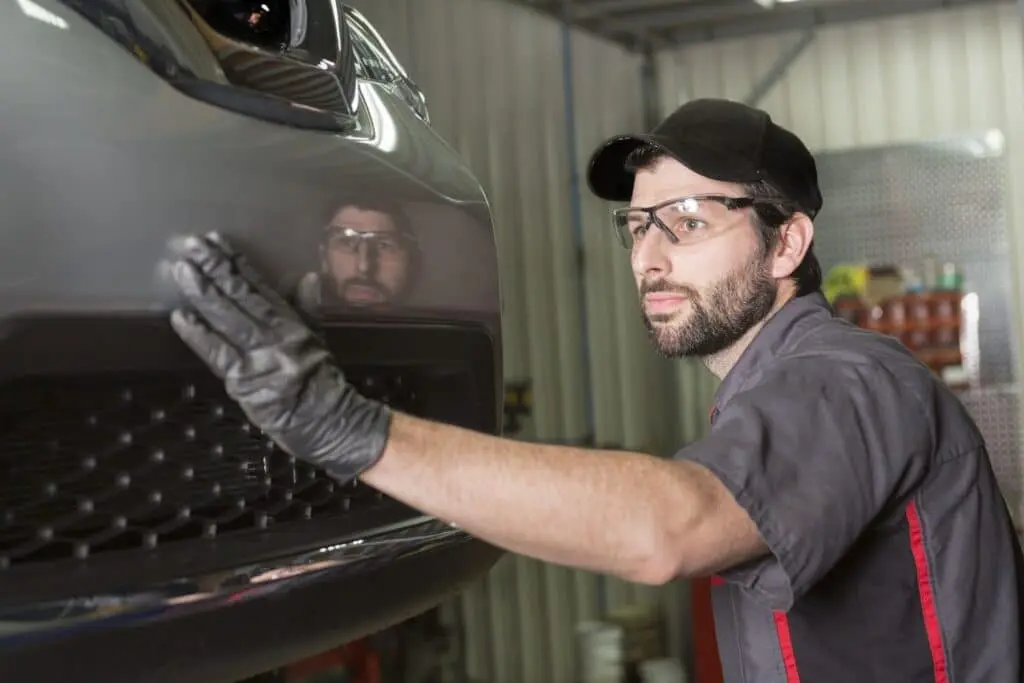
A post-repair inspection is only helpful if the team looking at the vehicle understands what proper collision repair should look like.
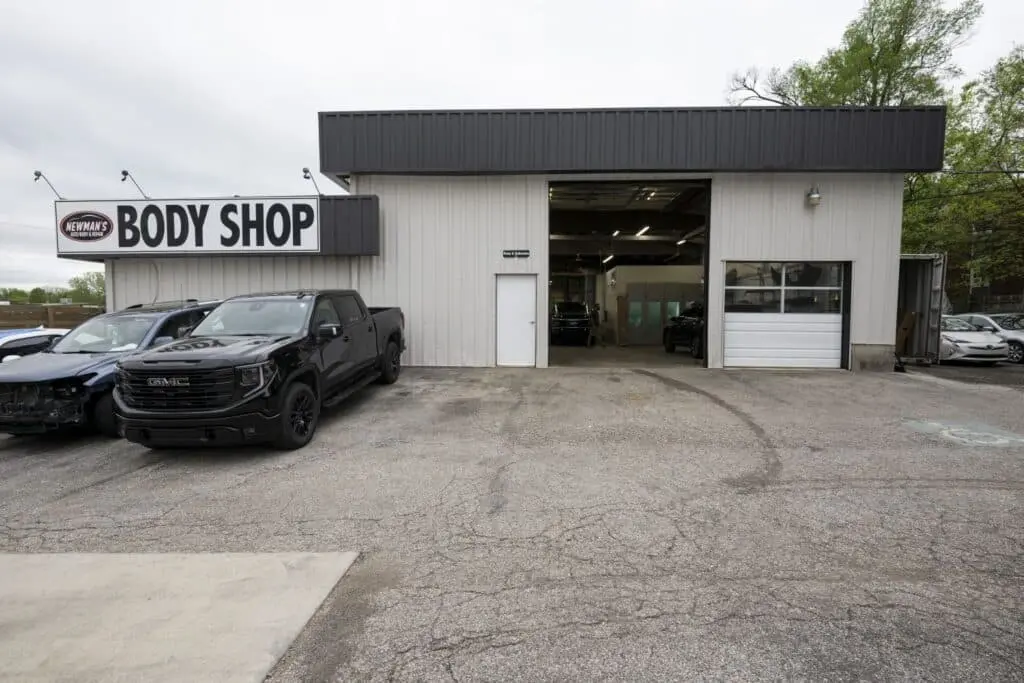
At Newman’s Auto Body & Repair, this service is backed by a collision-focused shop that understands repair quality, prior body work, structural concerns, and the kinds of issues that may stand out after a vehicle has already been through the repair process. Just as important, Newman’s is built around helping customers understand what they are seeing instead of leaving them confused.
That matters when you are already frustrated or uncertain.
You are not looking for more vague answers. You are looking for clarity. You want to know whether your concern is minor, whether it deserves follow-up, and whether the completed repair appears to support long-term confidence in the vehicle. That is what makes a second opinion valuable, and that is what makes Newman’s a strong place to turn.
Most people trust that once a repair is complete, the hard part is over. But if something does not look right, feel right, or sit right with you after the repair, it is worth paying attention.
A post-repair inspection gives you a chance to slow down and get a clearer answer before you simply accept that everything must be fine. It gives you the opportunity to ask questions, understand whether there are visible concerns, and decide what to do next with more confidence.
Even if the inspection ultimately confirms that the repair appears sound, that peace of mind has value. And if it raises concerns, it is better to know that sooner rather than later.