When a vehicle is repaired after a collision, the goal is not only to improve how it looks. Proper collision repair helps protect several important parts of the driving experience.
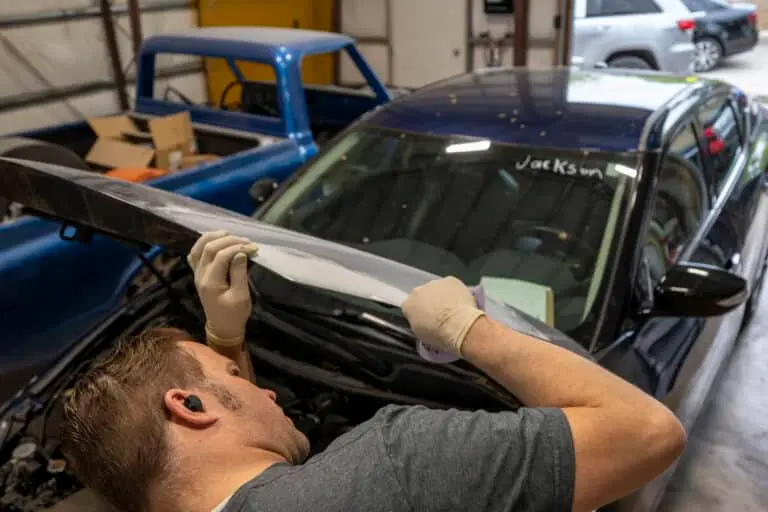
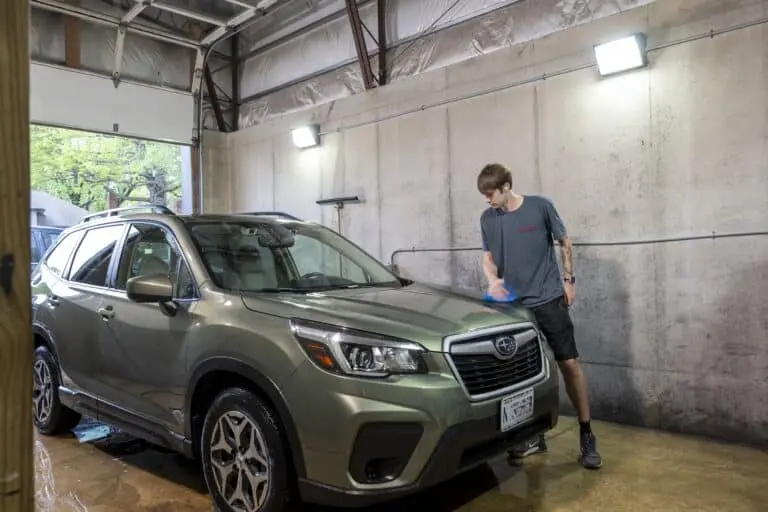
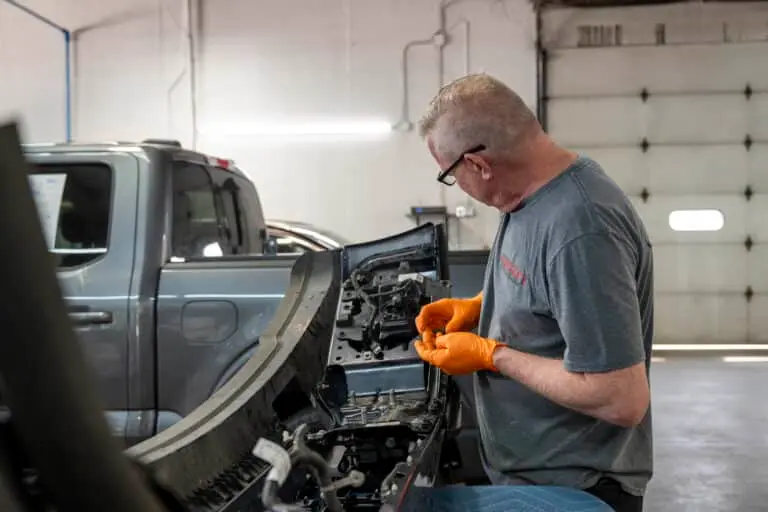
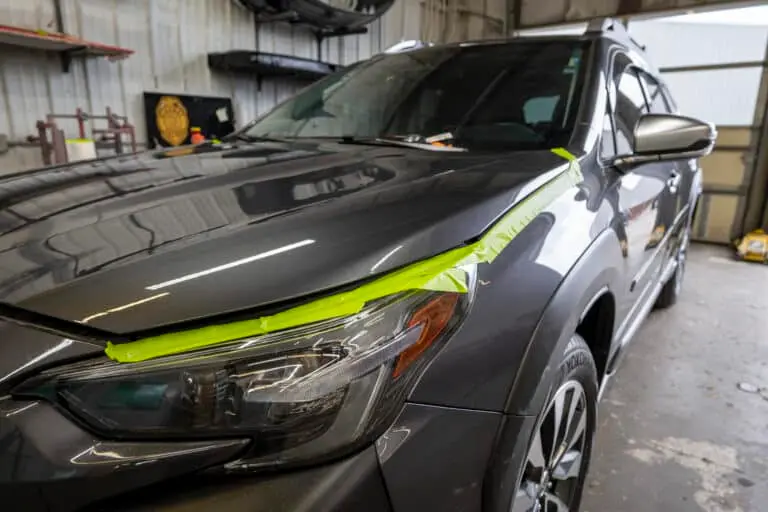
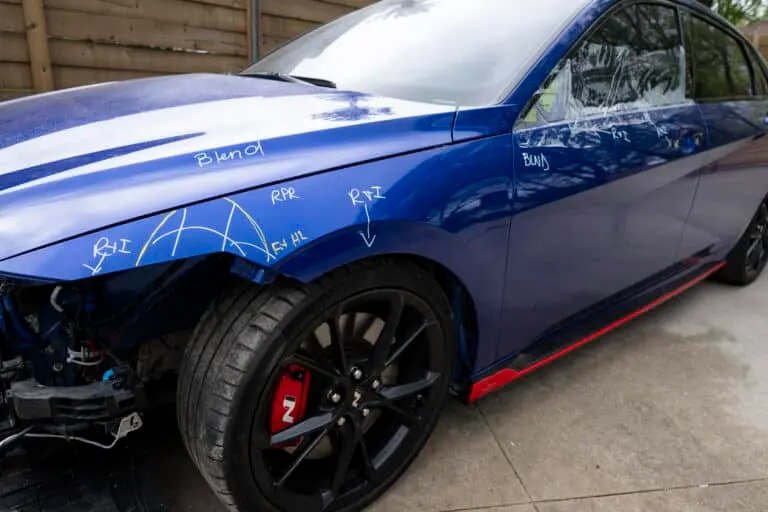
Damage in the front of the vehicle can affect bumpers, fenders, hoods, lights, and parts behind those visible areas.
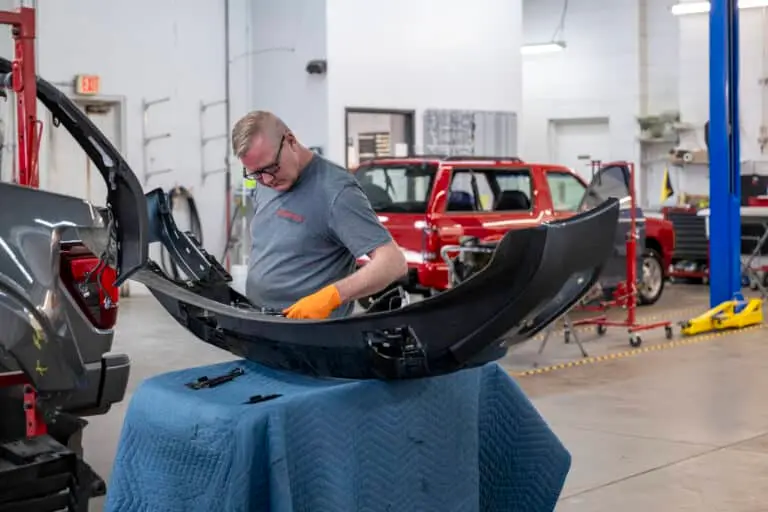
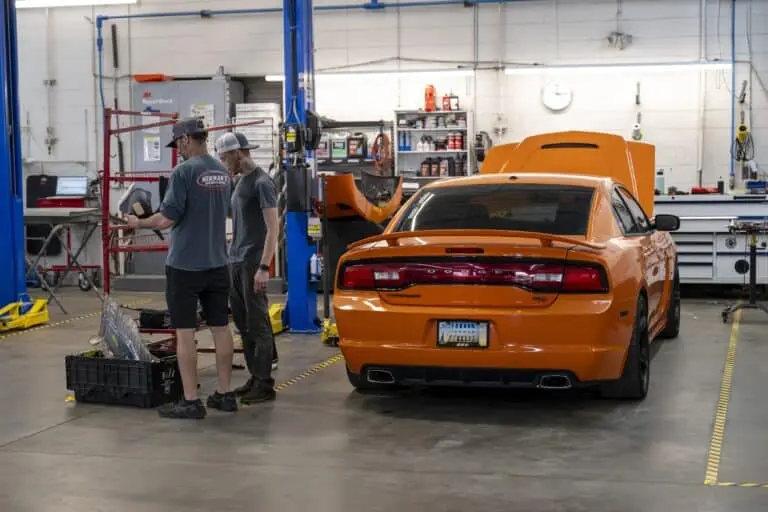
Rear damage may involve the bumper, trunk area, quarter panels, mounting points, and nearby systems.
Side collisions can affect doors, rocker areas, quarter panels, alignment, and structural sections depending on the impact.
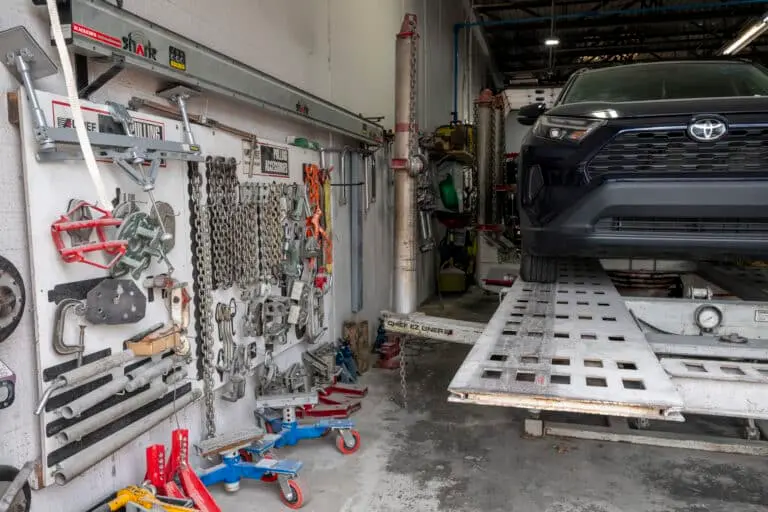
Some accidents require more than surface repair. When the structure of the vehicle is affected, proper measuring, planning, and repair procedures matter.
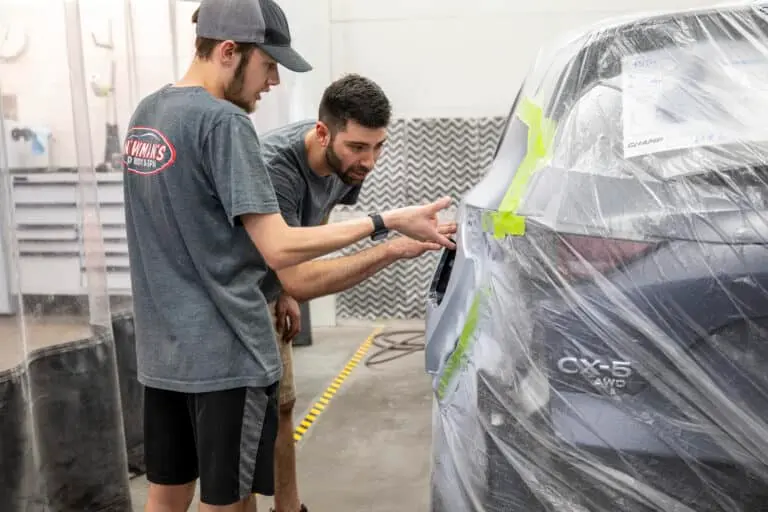
After panels are repaired or replaced, refinishing is an important part of restoring appearance and completing the repair the right way.

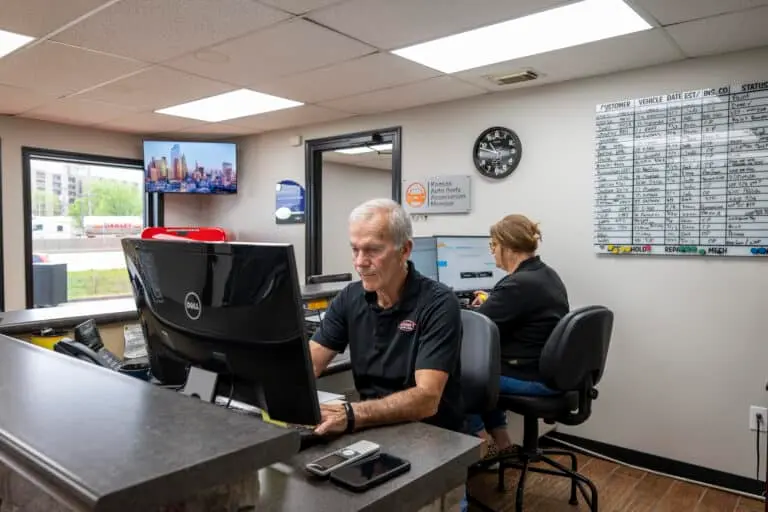
You reach out, we review the damage, and we help you understand the first step.

Once the vehicle is in the shop, damaged areas may need to be taken apart so the full scope of the repair can be seen more clearly.

From there, the repair plan moves forward through approvals, parts coordination, body repair, structural work when needed, and refinishing.

After repairs are completed, the vehicle is reassembled and checked carefully. On many vehicles, scan and calibration-related steps are also part of finishing the job properly.

Throughout the process, Newman’s works to keep you informed so the repair does not feel like a mystery.