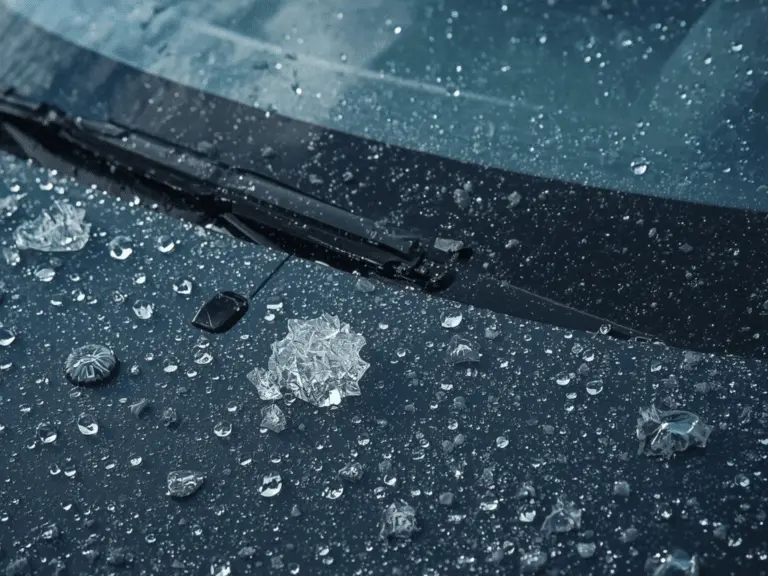
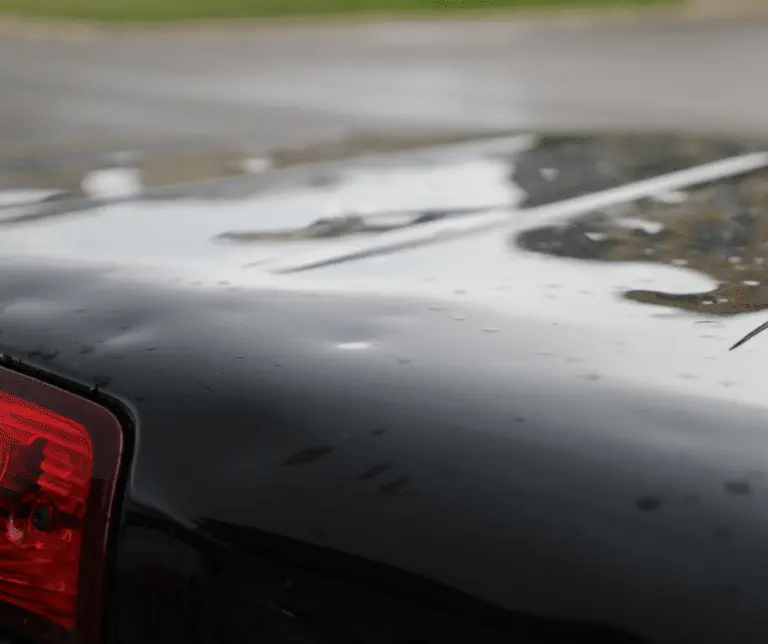
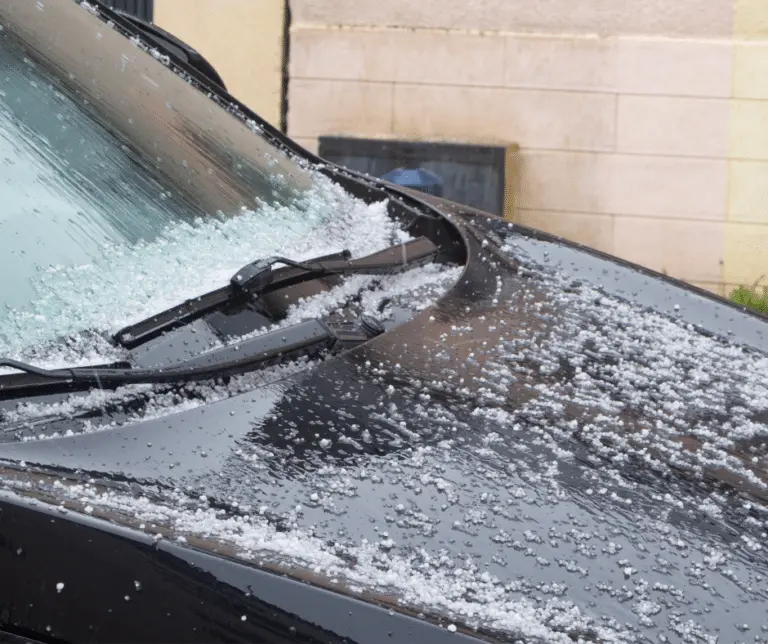
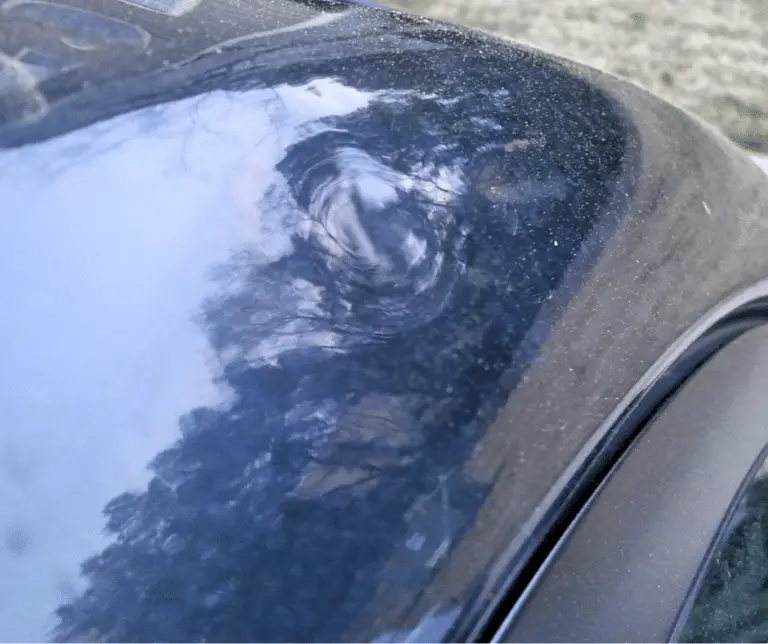
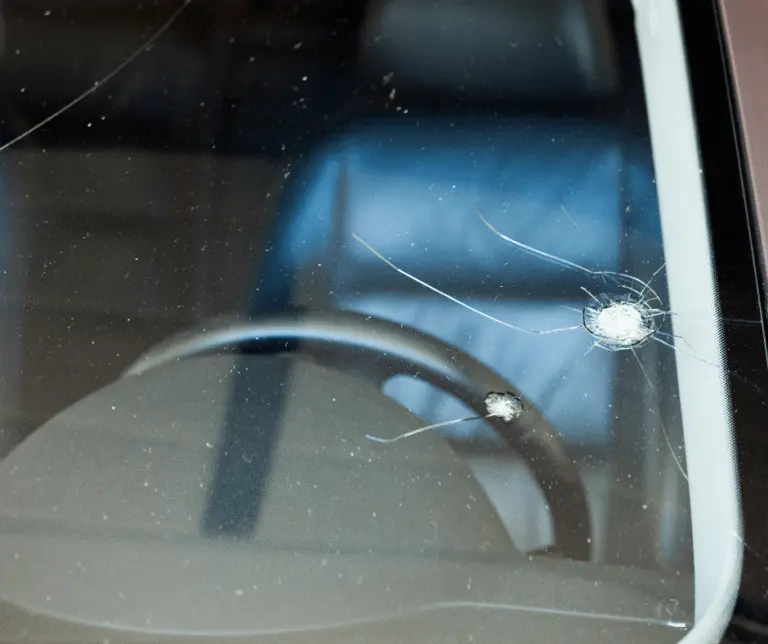
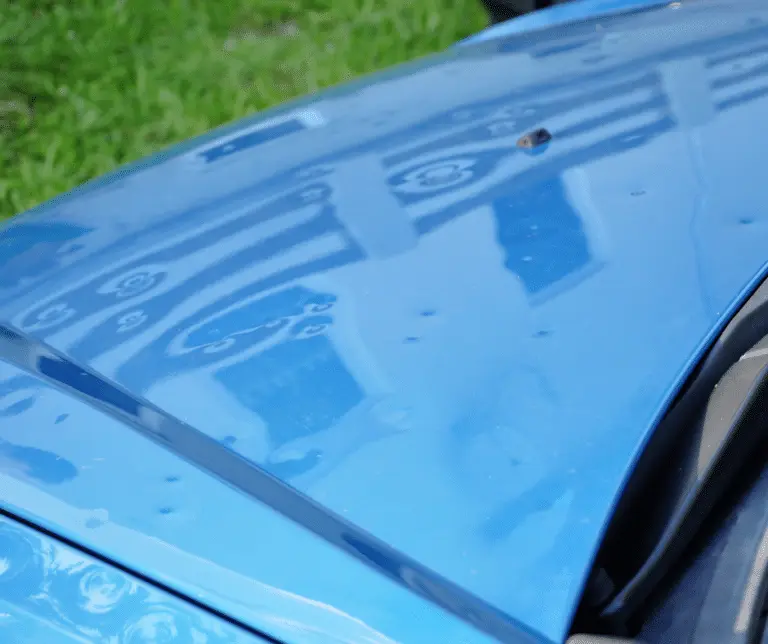
The first step is a close review of the hail damage. This helps determine how many areas are affected, how severe the damage is, and what kind of repair approach may be needed.
Once the damage is understood, the next step is building a repair plan based on the condition of the vehicle. Some damage may be a fit for less invasive methods, while other areas may need more traditional repair work. What matters most is choosing the right approach for the actual damage.
If the repair is going through insurance, that process is addressed alongside the repair planning. This helps connect the damage assessment with the claim and the next steps.
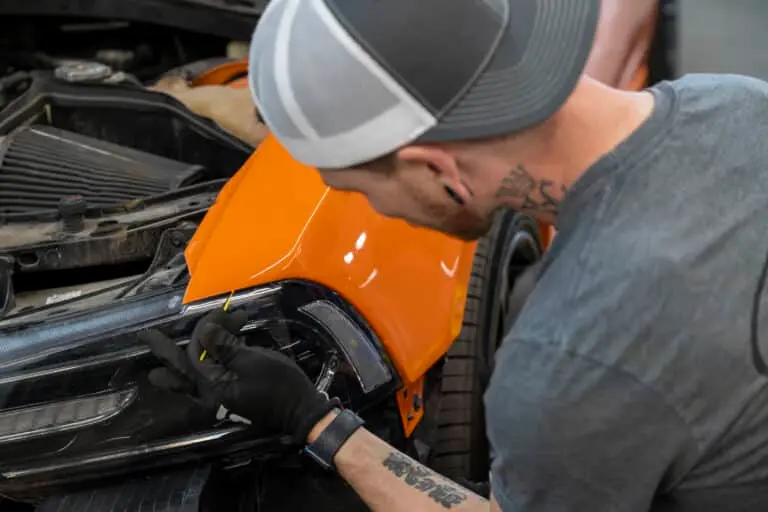
Once the plan is in place, repairs are completed according to the needs of the vehicle. Depending on the damage, that may involve dent repair, body work, refinishing, or a mix of repair methods.
Before the vehicle is returned, the completed work is reviewed so you can feel more confident in the final result.

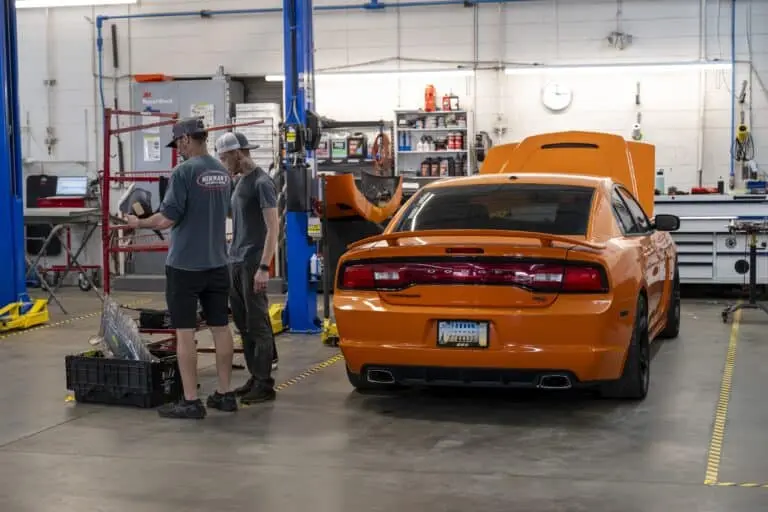
After a storm, you should not have to spend days wondering whether the damage is serious, whether it is worth fixing, or where to even begin. You need a team that can look at the vehicle, explain the situation clearly, and help you take the next step.